Leading
AI
Innovation
Integrate AI.
Project Description
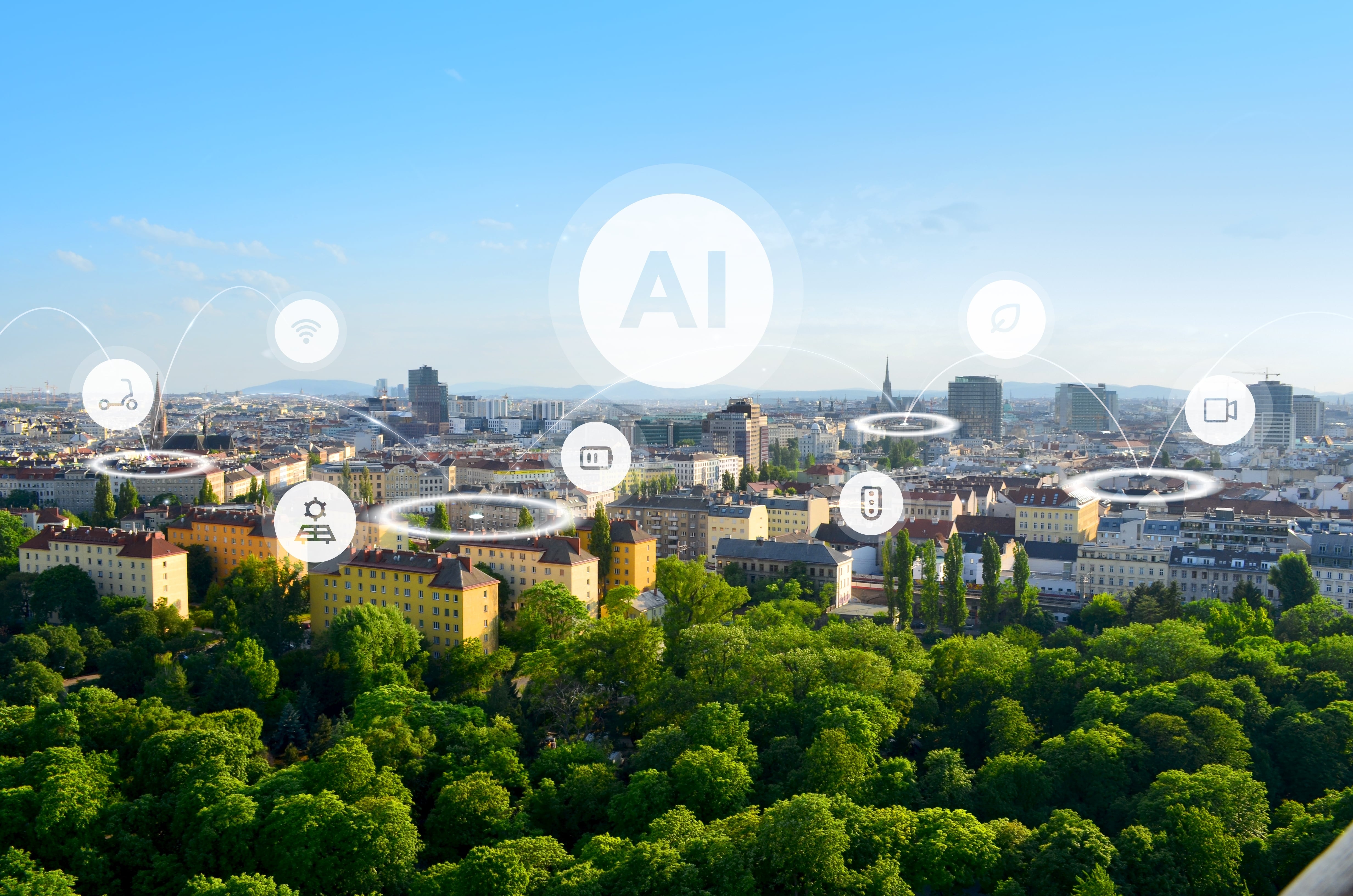
We developed an AI-powered platform for building energy management, designed to optimize energy consumption and reduce costs. The platform collects data from various building sensors, such as temperature, humidity, and energy consumption sensors, and analyzes it in real-time to optimize energy usage.
Challenges
Analyzing large and diverse amounts of data in real-time.
Developing accurate predictive models for future energy
consumption.
Optimizing energy consumption while considering multiple
variables, such as weather conditions, occupancy patterns,
and tenant preferences.
Optimizing energy consumption while considering multiple
variables, such as weather conditions, occupancy patterns,
and tenant preferences.
Solution
Data collection:
Collecting data from various building sensors, including
temperature, humidity, energy consumption, and occupancy
sensors.
Developing a deep learning model:
Training a deep learning model on historical energy data
to predict future energy consumption.
Developing an intelligent control system:
Developing an AI-powered control system that can
automatically control the building's heating, cooling, and
lighting systems, while optimizing energy consumption.
Developing a user-friendly interface:
Creating an interface that allows building managers to
monitor energy consumption in real-time, receive alerts
for anomalies, and adjust system settings.
.jpg)
Results
Significant energy savings:
Significantly reducing building energy costs.
Improved comfort:
Maintaining comfortable temperature and humidity levels in
the building.
Reduced environmental impact:
Reducing greenhouse gas emissions.
Flexibility:
The ability to adapt the system to different building
types and changing environmental conditions.
Technologies Used
Deep Learning:
Recurrent Neural Networks (RNNs) for time series
forecasting, optimization algorithms.
Internet of Things (IoT):
Connecting sensors and control systems to the central
platform.
Cloud:
Cloud platforms for deploying the system and analyzing
data.
Additional Benefits
Improved operational efficiency:
Automation of energy management processes.
Increased asset value:
Smart buildings attract tenants and investors.
Support for sustainability goals:
Contributing to the fight against climate change.
your project into a success story.